I’ve been in the interior painting business long enough to watch the same cycle repeat every few years. A new color gets crowned as “the one.” Designers celebrate it. Homeowners rush to use it everywhere. Then, quietly, regret sets in. Not because the paint failed—but because the idea behind the color didn’t hold up in real life.
The reaction to the 2026 Color of the Year, Cloud Dancer (#F0EFEB), is a perfect example of why color trends fail when they’re followed blindly.
Reason #1: Color Trends Are Built for Marketing, Not Longevity
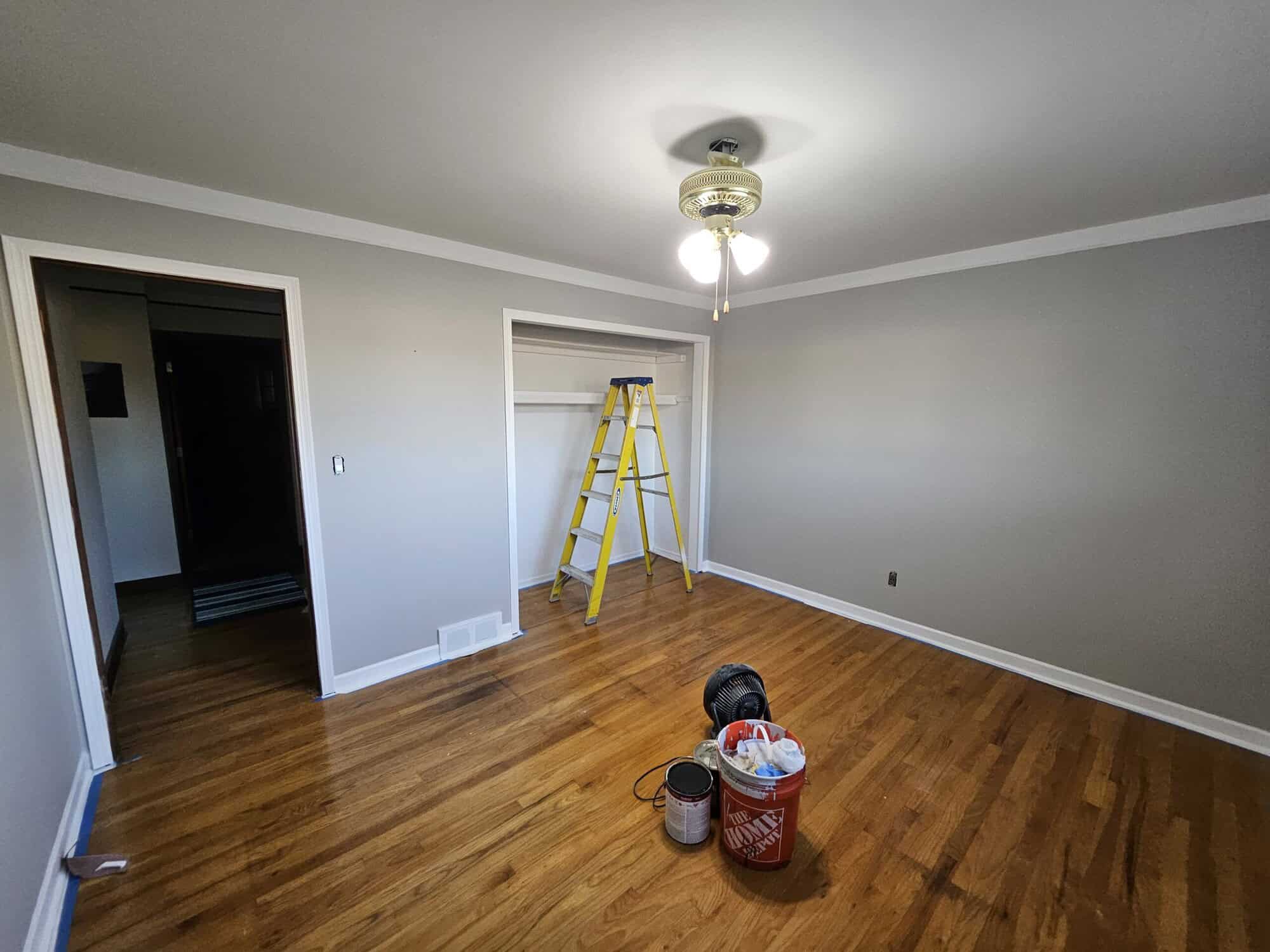
Here’s something most homeowners aren’t told.
Most color trends are selected 18 to 24 months before you ever hear about them. That means they’re predictions, not proven solutions. Pantone, WGSN, and Coloro are forecasting cultural mood—not how a color will feel after you live with it for five years.
Cloud Dancer was chosen to communicate calm and restraint. On paper, that sounds timeless. On walls, especially in Michigan homes with limited winter daylight, it often reads flat, cold, or unfinished.
Marketing images use perfect lighting, controlled styling, and empty rooms. Your home doesn’t. That disconnect is why color trends frequently disappoint once the furniture is back in place.
Reason #2: Color Trends Reflect Short-Term Cultural Mood
Every major shift in color trends lines up with what’s happening economically and emotionally.
During uncertain times, off-whites, pale neutrals, and minimalist palettes surge. They signal safety and caution. Cloud Dancer fits squarely into that pattern. The problem is that cultural mood doesn’t last forever.
Once people start craving warmth, personality, or optimism again, those same colors feel emotionally empty. That’s why Cloud Dancer has already triggered strong reactions—many homeowners describe it as sterile or uninspiring.
Meanwhile, Transformative Teal (#23545B), WGSN and Coloro’s 2026 selection, reflects resilience and forward motion. That’s not an accident. Some color trends age better because they aren’t rooted in fear or restraint.
Reason #3: Off-White Trends Are Technically Risky

One of the biggest misconceptions I hear is,
“Off-white is safe. It never goes out of style.”
That’s simply not true—especially with color trends.
Off-whites like Cloud Dancer are unforgiving. They reveal wall imperfections. They exaggerate shadowing. They shift dramatically under different bulbs. In high-traffic areas, they show scuffs and touch-ups faster than mid-tones ever will.
From an interior painting standpoint, slightly warmer or more complex neutrals outperform trendy off-whites every time. Cloud Dancer can work—but only in low-traffic, well-lit spaces with excellent prep work. Used as a whole-home solution, it becomes a liability.
Reason #4: Real-World Conditions Break Trend Colors
This is where professional experience matters.
Most color trends are tested under ideal conditions. Real homes are anything but ideal. North-facing rooms drain warmth. LED lighting distorts undertones. Dark floors or warm cabinetry can make a trendy wall color look completely different than expected.
Cloud Dancer struggles here. It picks up gray in cool light. Yellow in warm light. Flatness in low light.
Transformative Teal holds up better because it has depth. That depth allows it to absorb lighting variation without collapsing visually. That’s one reason deeper, adaptable color trends tend to last longer—even when they’re bold.
Reason #5: Social Perception Ages Colors Faster Than Paint
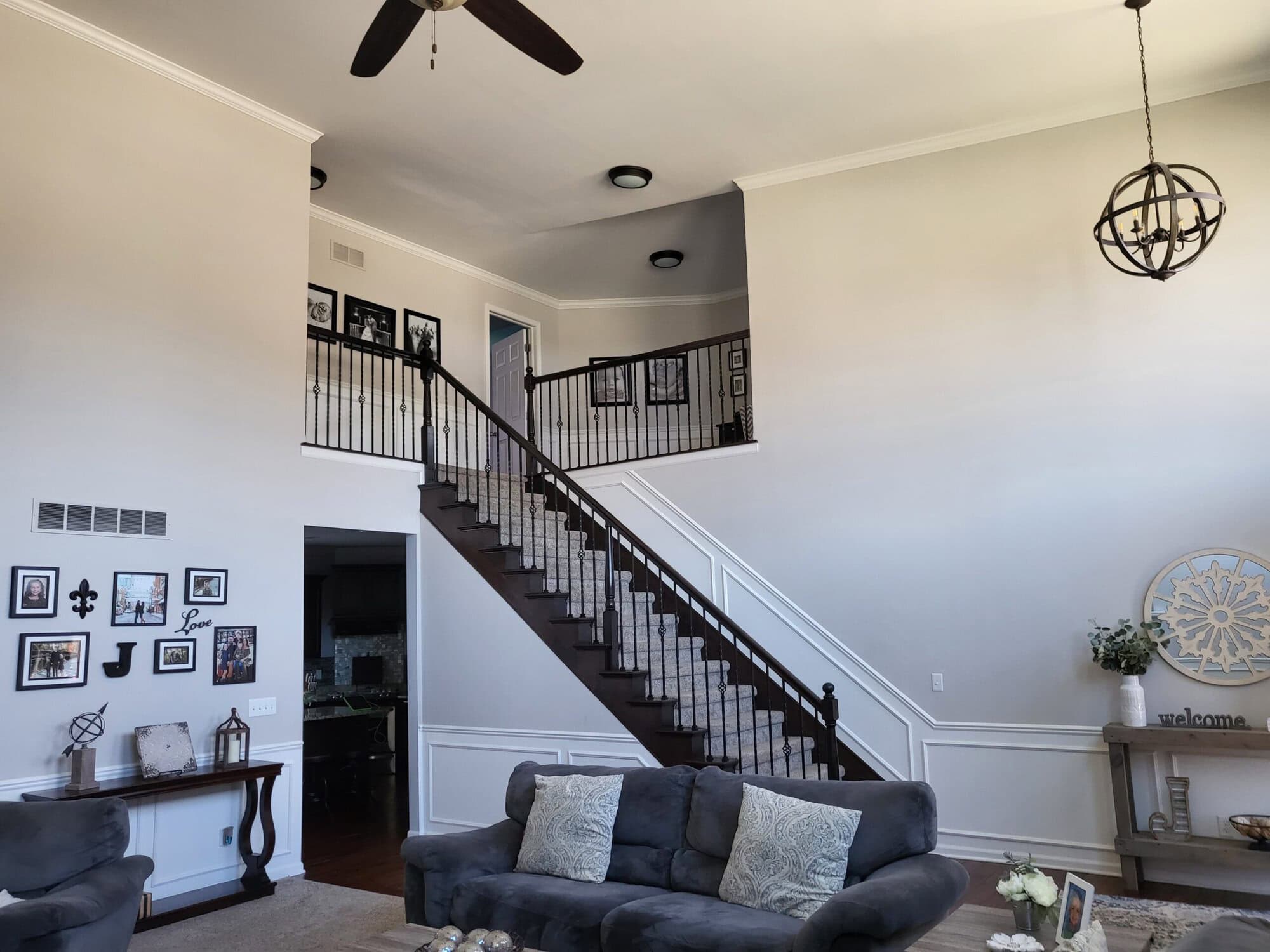
Paint doesn’t fail overnight. Perception does.
Colors accumulate meaning. Cloud Dancer is increasingly associated with austerity, minimalism fatigue, and recession psychology. Once that association sticks, homeowners start wanting change—even if the walls are still pristine.
I’ve seen this happen repeatedly in interior painting projects across Troy, MI. People don’t repaint because the color looks bad technically. They repaint because it no longer feels right.
That’s why color trends tied too tightly to a cultural moment almost always fail faster than expected.
Why Some Color Trends Survive Longer Than Others
Not all color trends are mistakes. The ones that last share a few traits.
They have undertone balance.
They adapt to different lighting.
They don’t dominate the space emotionally.
Transformative Teal works when used intentionally—feature walls, offices, dining rooms—not sprayed across every surface. Trend success isn’t about avoiding color. It’s about control.
The same principle applies to other updates. Sometimes a cabinet respray delivers far more visual impact than repainting every wall in a trendy shade.
How Professional Painters Evaluate Color Trends
When clients ask whether they should follow color trends, here’s what we actually evaluate:
Lighting first—natural and artificial
Fixed elements—floors, cabinets, trim
Traffic patterns and wear expectations
Emotional comfort over time
Popularity ranks near the bottom.
That’s why our interior painting recommendations focus on longevity, not headlines. A color that photographs well but irritates you after six months has failed—no matter how trendy it was.
Timeless vs. Trendy: The Smart Middle Ground
The safest approach isn’t rejecting color trends entirely. It’s separating foundation from expression.
Use timeless, adaptable neutrals for main walls.
Use trend colors in accents, offices, or décor layers.
This strategy dramatically reduces repaint cycles. Instead of repainting every three years, homeowners often get a decade or more of satisfaction.
That’s the difference between trend-driven painting and professional interior painting.
Why Color Trends Fail Fast

The Cloud Dancer debate proves something painters have known for decades. Most color trends fail because they’re designed to say something—not live somewhere.
Colors rooted in caution and minimalism age quickly once culture shifts. Colors with depth and adaptability hold on longer because they feel human, not theoretical.
The goal isn’t to chase trends.
The goal is to outlast them.
When color decisions are grounded in experience, lighting, and real-world use—not marketing cycles—you stop repainting for regret and start painting for longevity.
That’s what professional interior painting is really about.